The Village as a House and Zetova/Gubanova hiša
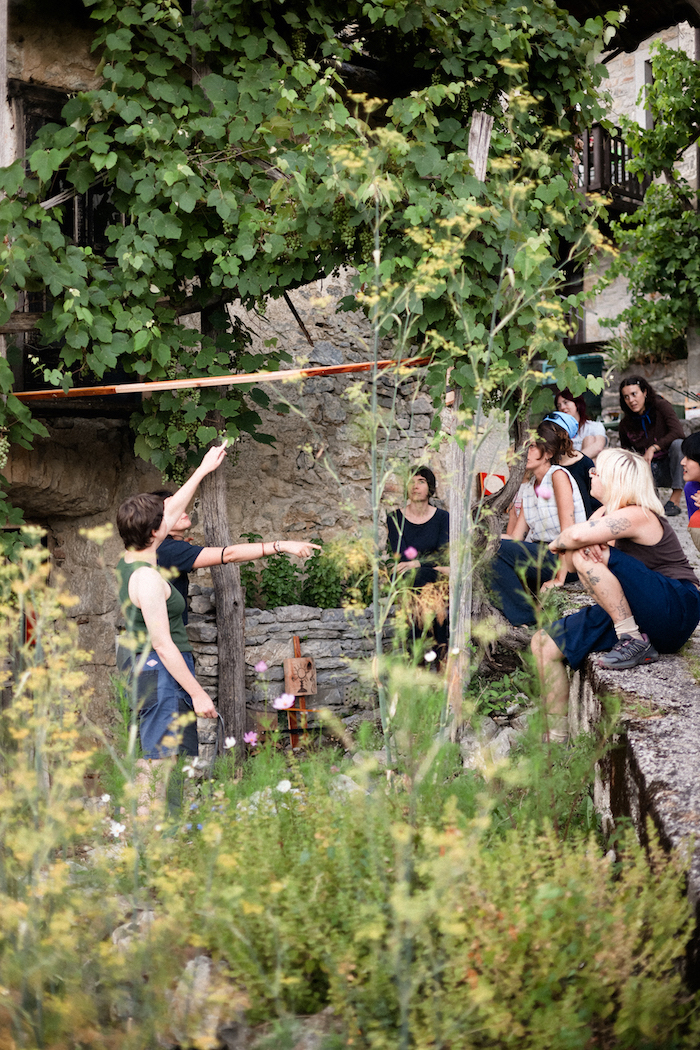
The Village as a House is Robida's ongoing project exploring the possibility of understanding and inhabiting Topolò as a collective house. Rather than concentrating communal life within a single building, the project approaches the village itself as a shared domestic space: a constellation of houses, rooms, paths, gardens and gathering places whose relationships can be reactivated through cultural practices and everyday forms of care.
The project responds to a transformation affecting many small rural villages in the borderlands: buildings that once sustained family and communal life are increasingly left empty, underused or disconnected from the social fabric around them. At the same time, the village continues to hold material traces, memories, and possibilities for forms of living together that exceed the boundaries of the individual household.
Through The Village as a House, Robida investigates how these spaces might acquire new collective uses without losing their specific histories and character. The project treats the existing built environment not merely as architectural heritage to preserve, but as a resource for contemporary communal life. Cultural activities, artistic residencies, workshops and encounters become ways of activating relationships between buildings, inhabitants and visitors, while opening up new possibilities for the future of the village.
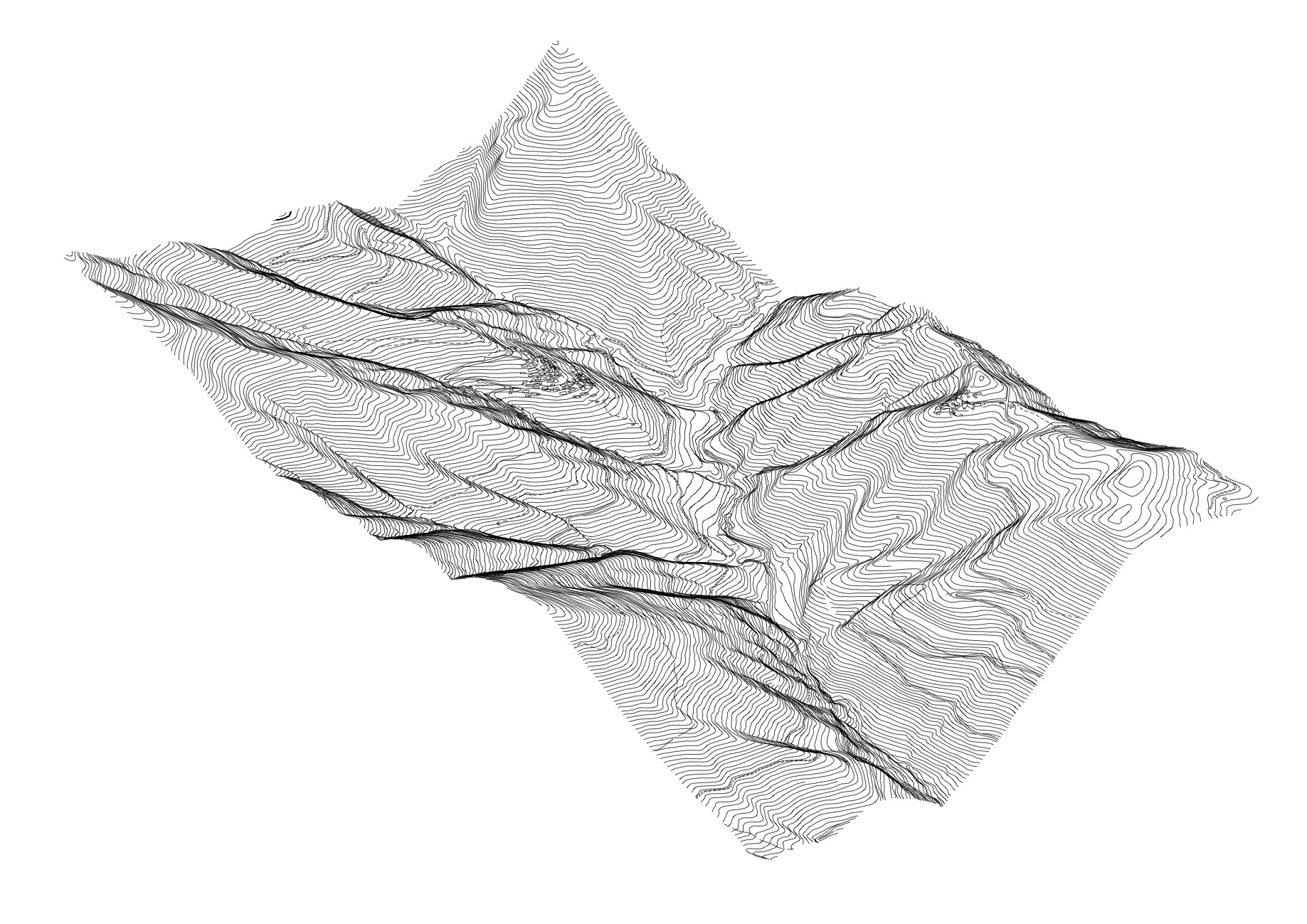
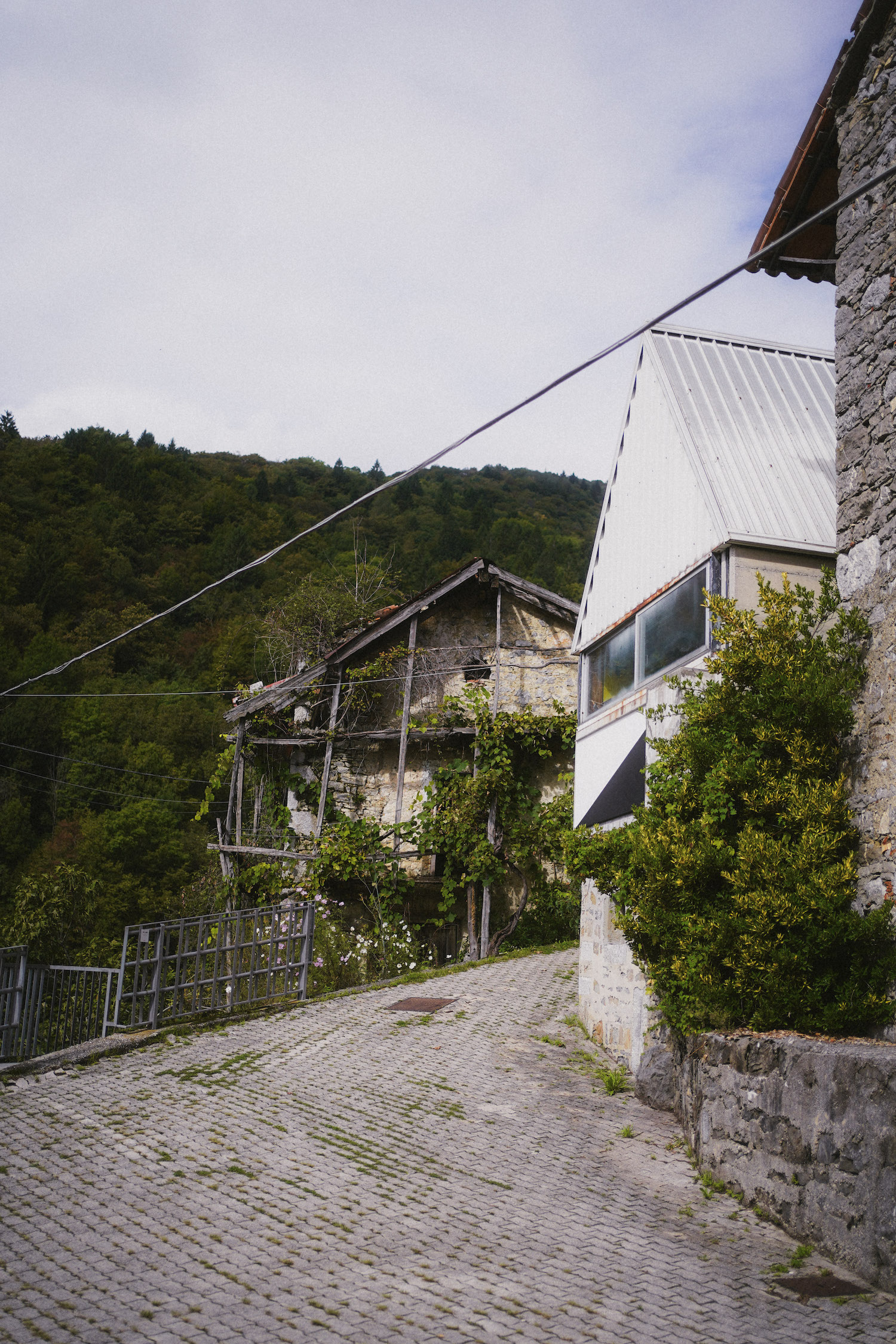
The project moves between two scales: the village as a whole and the individual houses as a place where collective life can take concrete form. The transformation of Zetova/Gubanova hiša (it's double names corresponds, on the one hand, to the traditional house name, Zetova, and, on the other, to the surname of the last inhabitant of the house Attilio Gubana) continues this process, developing an existing building into a shared infrastructure that can support the social and cultural life of the village throughout the year – a room of a collective house, which is the village.
For Robida, the renovation of Zetova hiša continues a practice of inhabitation developed in Topolò since 2017. Over the years, the collective has inhabited different houses, activated abandoned and underused spaces, transformed places into shared resources, and built relationships with the inhabitants of the village.
The renovation gives this understanding a concrete architectural form. It addresses the material deterioration of a building whose continued abandonment would mean the further loss of a potential shared resource. At the same time, it responds to a need expressed by the inhabitants for a place to gather, while creating space for cultural production, collective learning and hospitality. The Workshop, Living Room and Bedroom will connect these different uses, allowing the building to serve both the everyday life of the village and a wider network of cultural activities.
In this sense, renovation becomes a continuation of staying: not merely remaining in a place, but taking responsibility for the material and social conditions of its continued inhabitation. Zetova hiša will form part of the shared infrastructure through which inhabitants, cultural practitioners and visitors can meet, exchange knowledge and develop new relationships. Its regeneration is therefore not an end in itself, but a way of making the existing cultural and social life of Topolò more sustainable while opening up possibilities for its future.
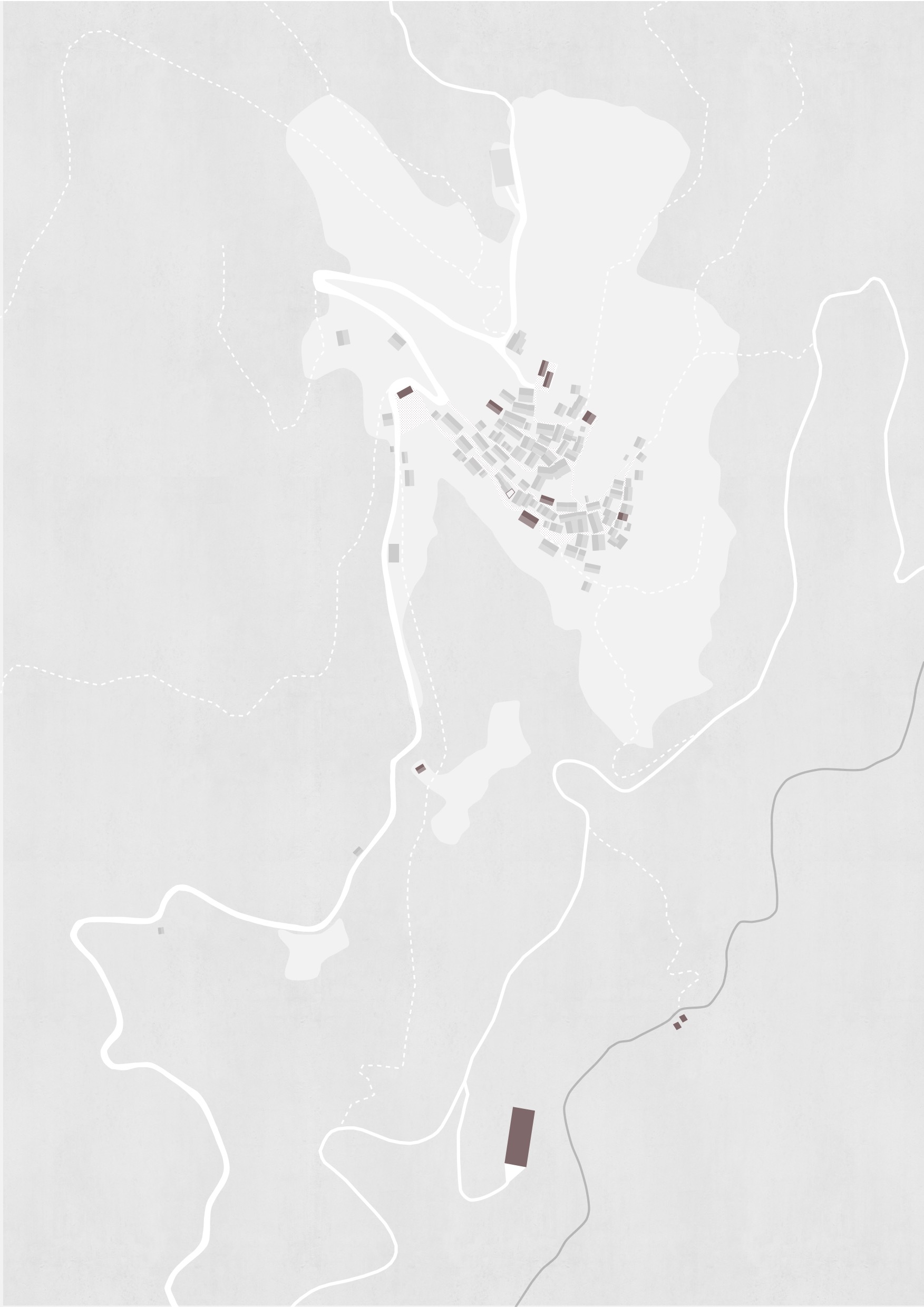
Drawing by Janja Šušnjar from her master's thesis
Zetova/Gubanova hiša
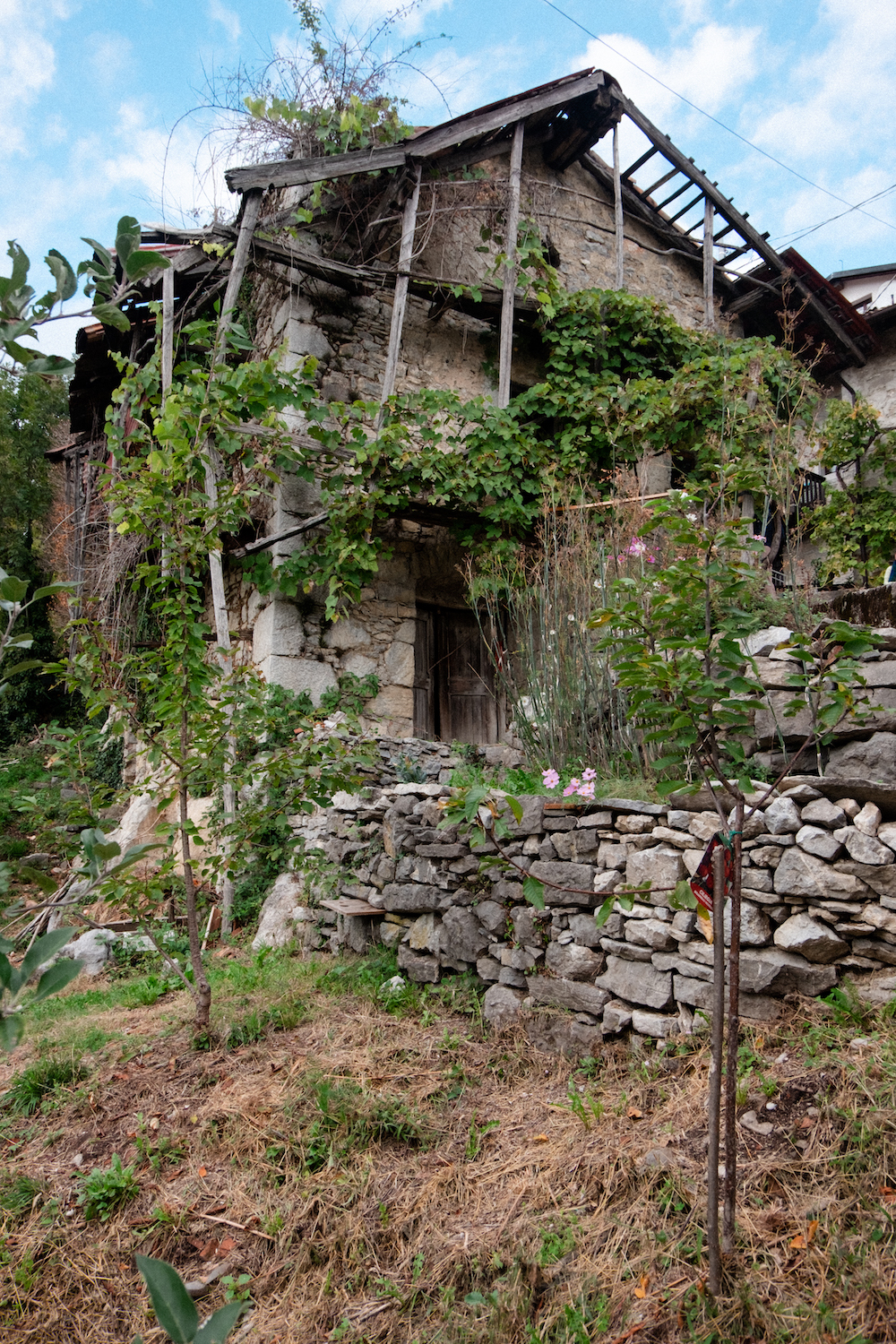
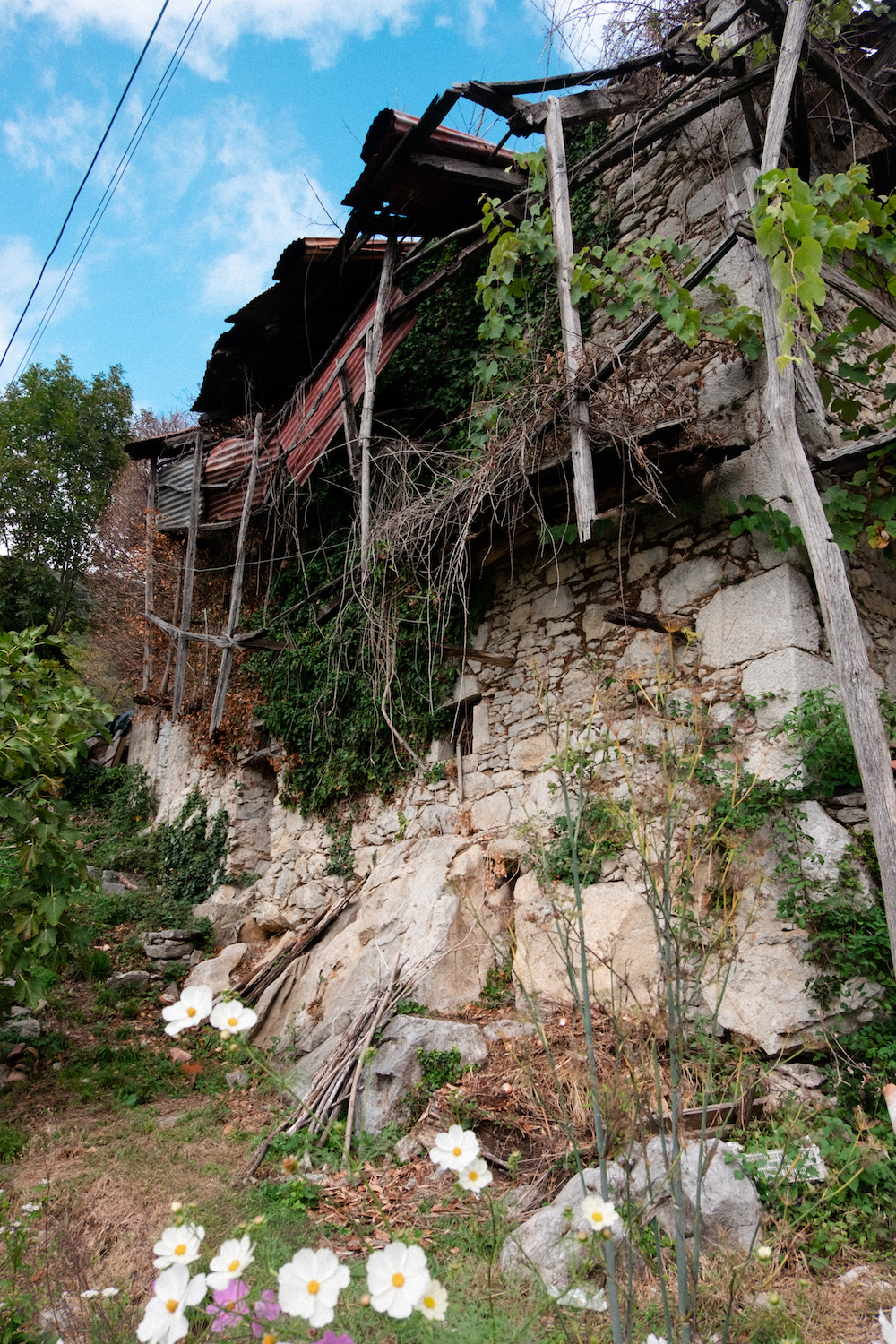
Built in 1820, Zetova hiša is part of the historical built fabric of Topolò/Topolove. Following the death of its last inhabitant approximately twenty years ago, the house has gradually fallen into ruin. While its stone walls still provide a solid structural basis for its possible recovery, the rest of the building has deteriorated considerably, particularly the roof. The project therefore addresses both an architectural challenge and an opportunity: to prevent the further loss of an existing building by giving it a new role in the life of the village.
Rather than introducing a new building or creating a cultural venue detached from its surroundings, the project begins with a structure already embedded in Topolò's architectural and social landscape. Its regeneration offers the possibility of preserving an existing material presence while transforming the ways in which the house can be inhabited and used. Architectural surveys and drawings currently being prepared will inform the subsequent design and adaptation of the building to its proposed functions.
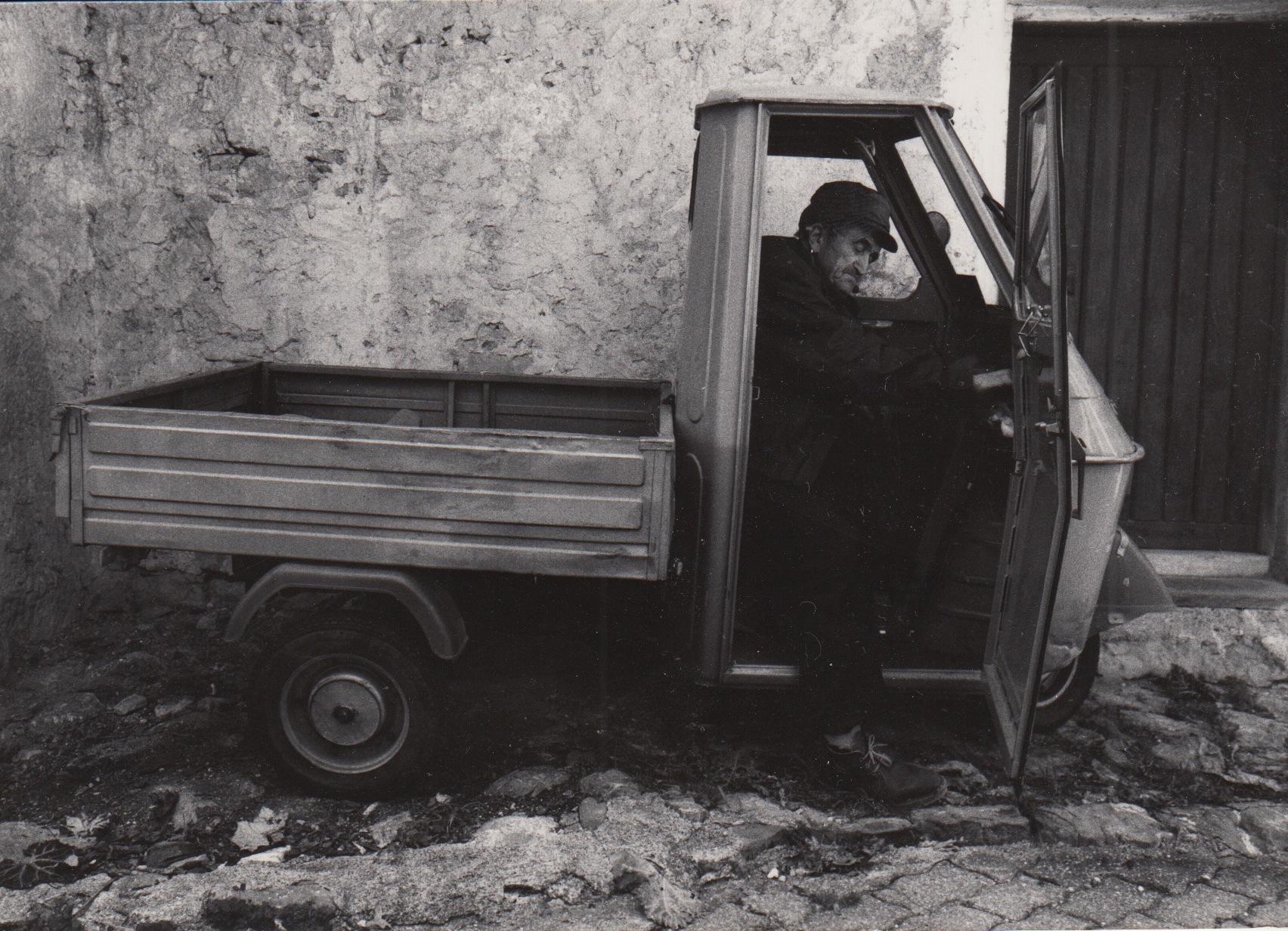
The need for such a space is not only architectural or cultural, but also social. Topolò has approximately twenty-five inhabitants, most of them elderly, and offers few opportunities for everyday communal gathering. Through monthly meetings with villagers, Robida has repeatedly encountered an explicitly expressed desire for a shared space: a collective living room where inhabitants can meet, spend time together and initiate activities beyond the confines of their individual homes. This need is central to the project. Rather than introducing a cultural programme into the village from the outside, Gubanova hiša will provide a place where local initiatives and everyday forms of gathering can coexist with organised cultural activities. The house will thus connect the recovery of the built environment with the creation of opportunities for participation, exchange and collective use.
The house also has the potential to strengthen the wider cultural network of the Natisone Valleys. The Slovensko Multimedialno Okno (Museum SMO) in San Pietro al Natisone, through poetry events curated by poet and cultural worker Miha Obit, represents one connection through which cultural programming can extend into the building. The Most festival, organised by Associazione Topolò-Topoluove, also needs spaces in the village for its events and for hosting participating artists. By providing a shared infrastructure for these and other initiatives, Zetova/Gubanova hiša can facilitate collaboration between local associations, cultural organisations, inhabitants and visiting practitioners. In doing so, it can contribute to a more connected and sustainable cultural ecosystem in the Natisone Valleys.
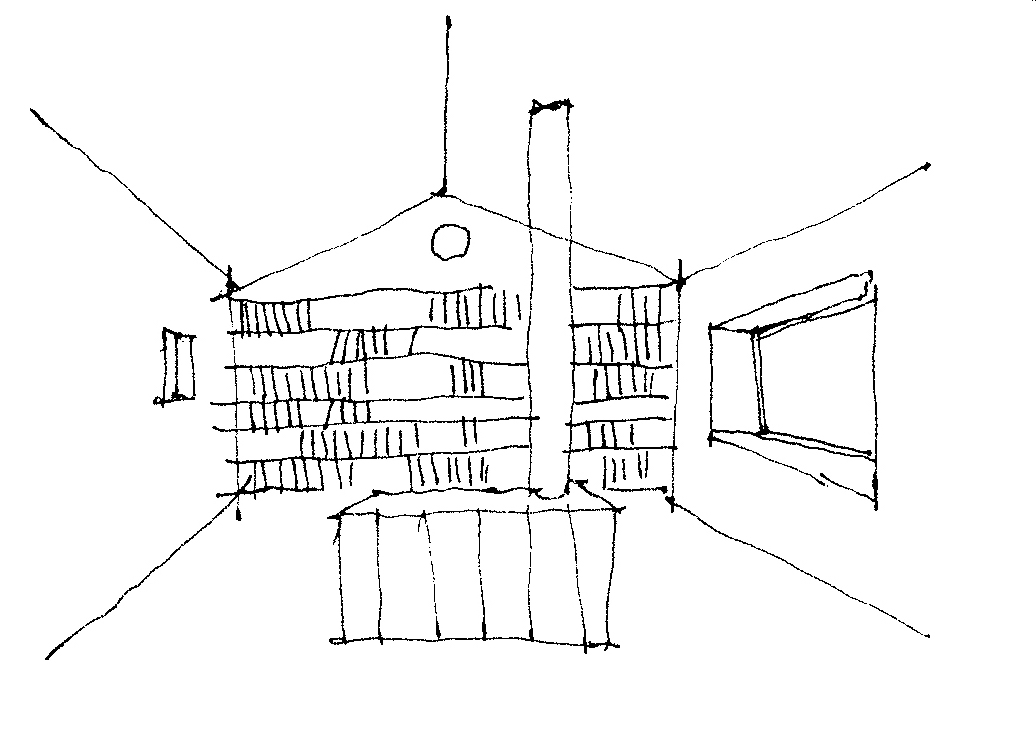
Sketch by Janja Šušnjar of the new common living in Zetova hiša
A New House of the Community
The project proposes to transform Zetova/Gubanova hiša into a communal house organised across three floors, each dedicated to a complementary function: a workshop, a living room and a bedroom. Together, these spaces will provide the material and social infrastructure for making, gathering and hosting, connecting the everyday needs of the village with its existing cultural activities and future possibilities.
The cellar will become a workshop dedicated to working with stone, ceramics and wood, alongside editorial and other paper-based practices. It will provide a space for hands-on experimentation, workshops and the exchange of practical knowledge. By bringing material practices and forms of making into the house, the workshop will create opportunities for collective learning and collaboration among inhabitants, artists, students and other participants.
The first floor will become the village's living room: a shared space equipped with a library, a projector and the facilities needed for public events, screenings, readings, discussions and informal gatherings. Above all, it will respond to the desire expressed by the inhabitants for a place in which to meet and spend time together. Conceived as a space for both everyday communal use and organised cultural activities, it will be open to initiatives emerging from the village as well as programmes developed by Robida and its partners. It will allow cultural participation to become part of the ordinary rhythms of village life, rather than remaining limited to occasional events.
The second floor will accommodate the bedroom, providing a place to host invited guests, artists and participants in Robida's artistic residencies. It will enable writers, researchers, artists and cultural practitioners to stay in Topolò for extended periods, developing projects in dialogue with the village, its inhabitants and its surrounding landscape. The accommodation will also support the activities of cultural partners, including the hosting of artists participating in local events and festivals. Rather than functioning as an isolated lodging space, the bedroom will be connected to the collective life unfolding on the floors below, encouraging exchanges between visiting practitioners and the local community.
Together, the three floors will form a connected infrastructure for communal life. The workshop will provide a place to make and learn; the living room, a place to gather and exchange; and the bedroom, a place to host those who arrive and establish relationships with the village. Each function will be able to operate independently while remaining part of a shared whole.
The project aims to create a space that is neither exclusively a cultural institution nor simply a private house, but a place where these categories can overlap. Its programme will combine activities organised by Robida with opportunities for local initiatives and collaboration with associations, schools, cultural practitioners and other territorial partners. The house will support activities throughout the year, extending the possibilities for collective use beyond the periods of festivals and other occasional cultural events.
By adapting an existing house rather than constructing a new cultural facility, the project will contribute to the reactivation of Topolò's built environment and the creation of a lasting resource for the local community. Its impact will lie not only in the recovery of a deteriorating building, but in the creation of conditions for people to meet, learn, make things together and develop new relationships. Zetova hiša will become one of the places through which the idea of the village as a shared house can acquire a concrete and enduring form: a house that belongs to the life of the village, connects its inhabitants with a wider cultural network, and makes room for future forms of living together.
At the moment we are looking for potential fundings to renovate the house.
It will be a long process, but we keep dreaming and planning!